Blog › Air Filter Maintenance
Air Filter Maintenance
When to Replace an Air Filter: Interval, Symptoms, and the Cost of Waiting Too Long
A clogged air filter quietly robs power and fuel economy. Learn the replacement intervals, the tell-tale symptoms, and how to turn maintenance knowledge into repeat orders.
October 10, 2026 · 5 min read
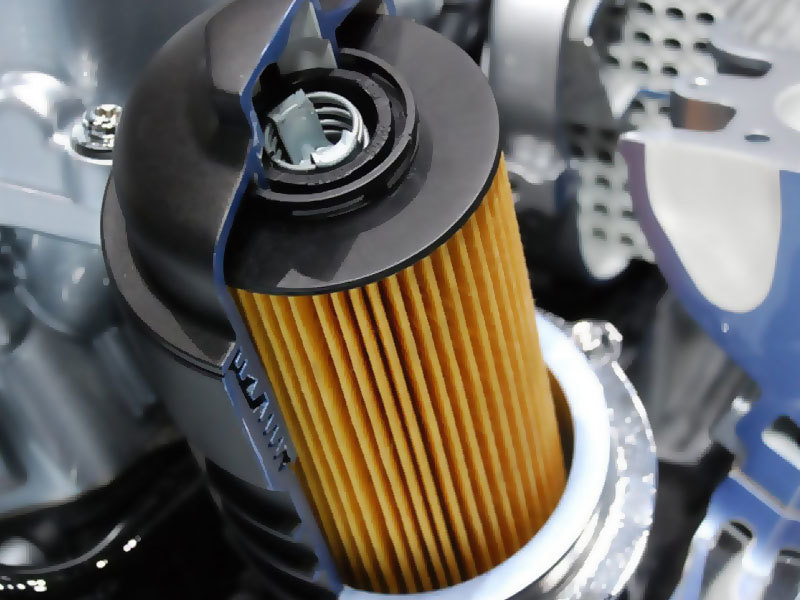
The replacement interval is a range, not a number
A passenger-car air filter is typically replaced every 15,000–30,000 km or every 12–24 months, but the real driver is the environment. A car driven on clean highways in a temperate climate sits at the long end of that range; a fleet running in the desert, on unpaved roads or around construction sites can need a replacement in a fraction of the time. Dust load, not distance, is what fills an element.
Heavy-duty applications — trucks, construction and agricultural machinery — often run a two-stage system with an outer and safety element, and the outer element is serviced on a much shorter schedule. For exporters, this is a merchandising opportunity: a replacement reminder tied to the market’s dust load turns a one-time SKU into a recurring consumable.
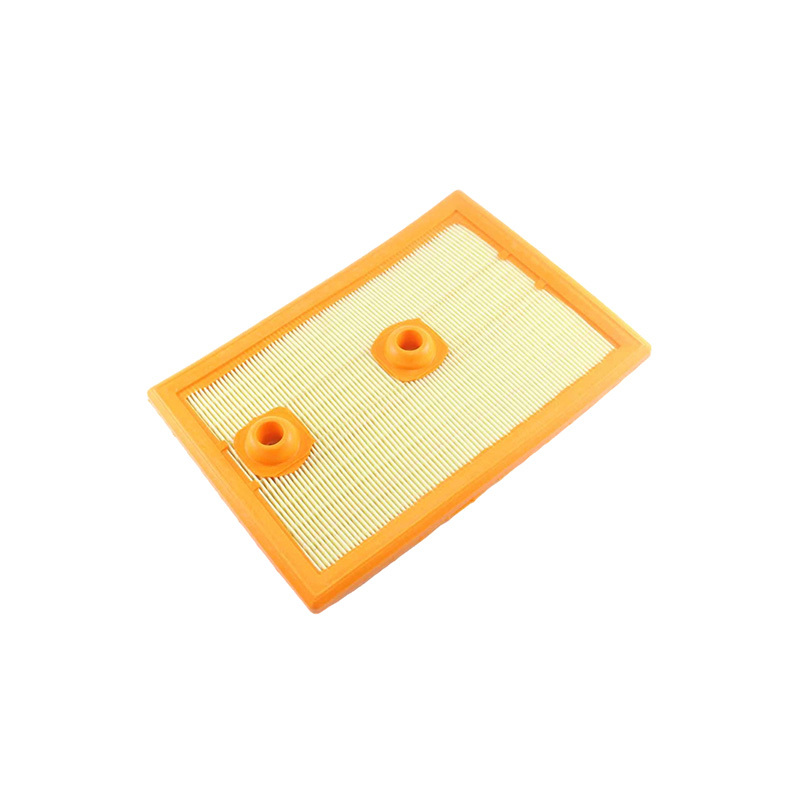
The symptoms of a dirty filter
The classic signs of a clogged air filter are reduced power, sluggish throttle response, a drop in fuel economy, black exhaust smoke from a rich mixture, and a rough idle. A driver may also notice a whistling or wheezing from the intake as the engine struggles to draw air, and in severe cases a check-engine light from a mass-airflow sensor that no longer reads correctly.
The mechanism is simple: a clogged filter starves the engine of air, the air-fuel ratio richens, combustion becomes incomplete, and fuel is wasted. The damage is not catastrophic the way a failed oil filter can be — but the cost is real and continuous, in fuel and lost performance.
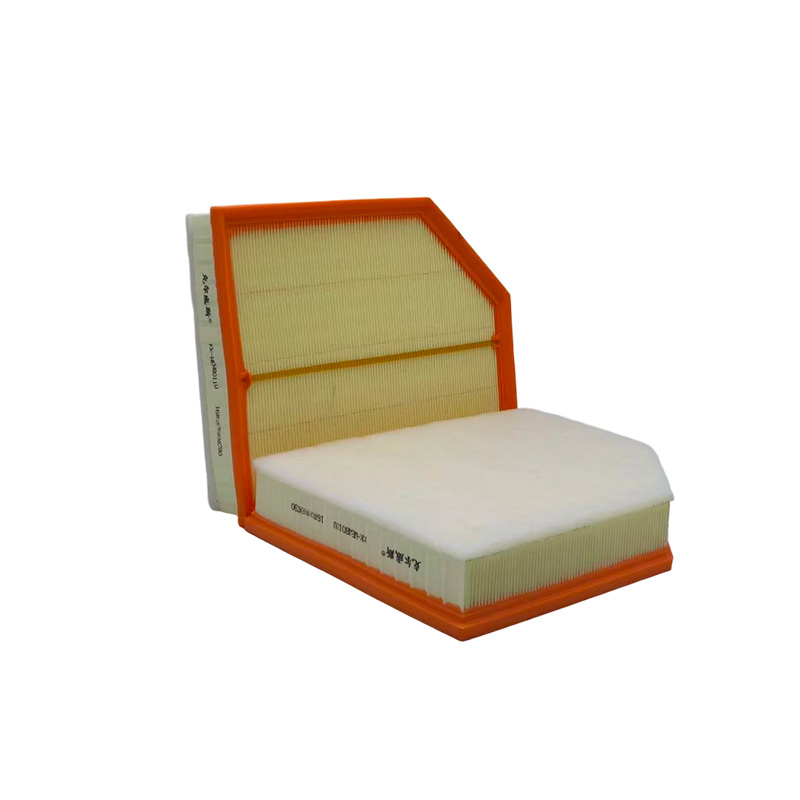
Why waiting too long costs more
Beyond fuel waste, a severely clogged element can collapse and let dust bypass it, or in extreme cases a damaged element can allow unfiltered air straight into the engine. Once the filter stops filtering, every kilometre adds wear that no later maintenance can undo.
The procurement message is clean: replacing on schedule is cheaper than the fuel waste and wear of replacing late. An importer who educates their distributor network on replacement intervals builds a repeat-purchase cycle that a box-mover never gets.