Blog › Cabin Filter Knowledge
Cabin Filter Knowledge
Cabin Filters: The Easiest Upsell in the Catalog — If You Understand the Tiers
Particle, activated carbon, HEPA — the three tiers of cabin filter, what each does, and why the premium tiers are a margin opportunity for importers.
September 22, 2026 · 5 min read
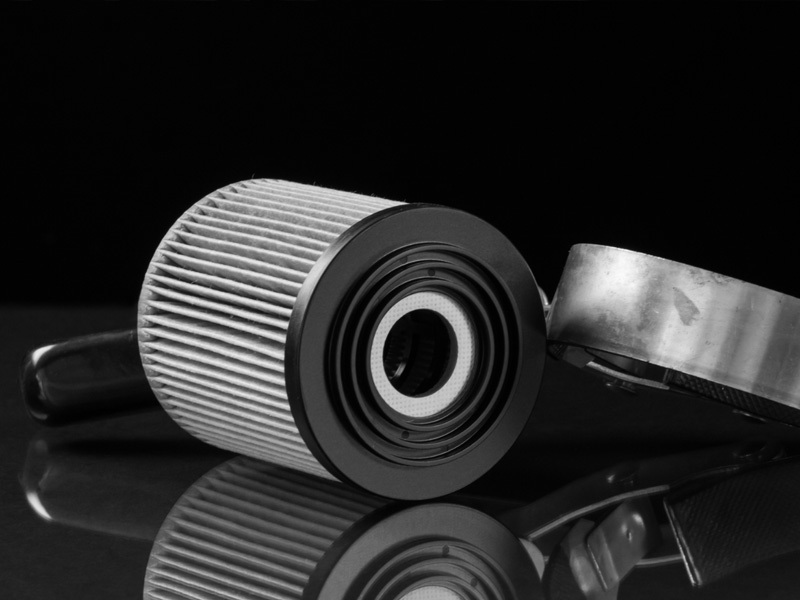
What a cabin filter actually does
The cabin filter — often called a pollen filter — cleans the air drawn into the passenger cabin from outside. Unlike the engine air filter, its job is comfort and health: it stops dust, pollen, soot and, on higher tiers, odors and fine particulate before they reach the driver and passengers.
Because it protects people rather than the engine, it is a category where the perceived value is immediate and visible. That makes it the easiest place for an importer to move a buyer up a tier — from a commodity particle filter to a premium carbon or HEPA element.

The three tiers, explained
A particle cabin filter stops dust, pollen and larger particles — the cost-sensitive entry point. An activated-carbon filter adds a carbon layer that adsorbs odors and some gases: exhaust smell, smog, industrial fumes. A HEPA-class filter removes a much higher share of fine particulate (a true H13 element reaches ≥99.97% for the most penetrating particle size) and is often combined with carbon in a single premium element.
The tier structure is a ladder: distributors can stock an entry, a mid and a top SKU and price them accordingly. A buyer who understands the difference will pay more for the carbon or HEPA tier, because the benefit — cleaner cabin air — is something they can resell to the end user.
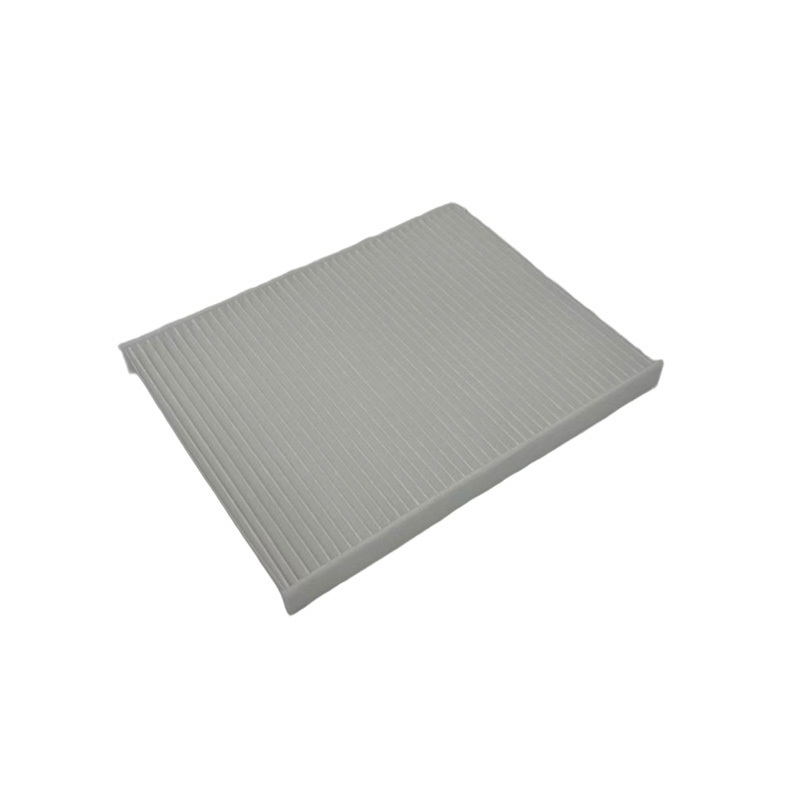
Why the premium tiers are a margin opportunity
Urban air-quality concerns are spreading to every market we ship to, not just Europe. Smog, traffic exhaust and fine particulate are daily realities in the Middle East, Southeast Asia and Latin America. A carbon or HEPA cabin filter is a visible, sellable benefit — "cleaner air for your family" — and that benefit carries margin that a plain particle filter cannot.
The mistake most exporters make is listing only a particle SKU. Carrying a carbon and a HEPA line turns a commodity into a product family, and it gives the distributor a reason to order a mixed container instead of the cheapest single SKU.