Blog › Oil Filter Selection
Oil Filter Selection
How to Choose the Right Oil Filter: A Procurement Checklist for Importers
Thread, gasket, bypass setting, media, cold-climate needs — a practical checklist for matching the right oil filter to the fleet and the market.
October 2, 2026 · 6 min read
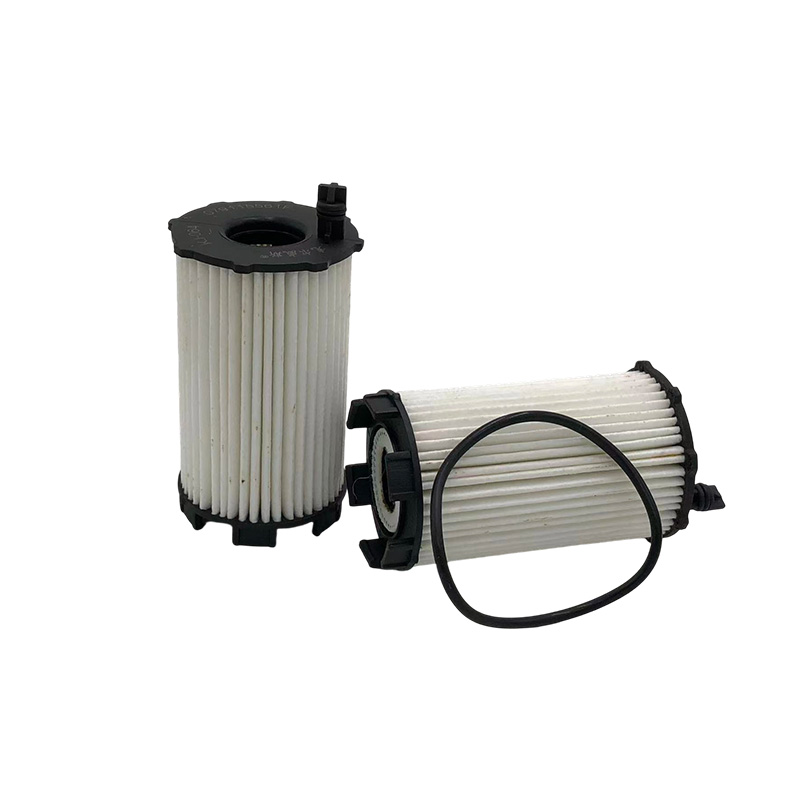
Start with fitment, not price
The thread must match the engine — common sizes include 3/4-16 UNF for passenger cars and 1-12 UNF for heavy-duty applications, plus metric variants. The gasket diameter and the bypass opening pressure must also match the OE specification. A wrong thread or a mis-calibrated bypass valve is a return, and worse, can damage the engine it was sold to protect.
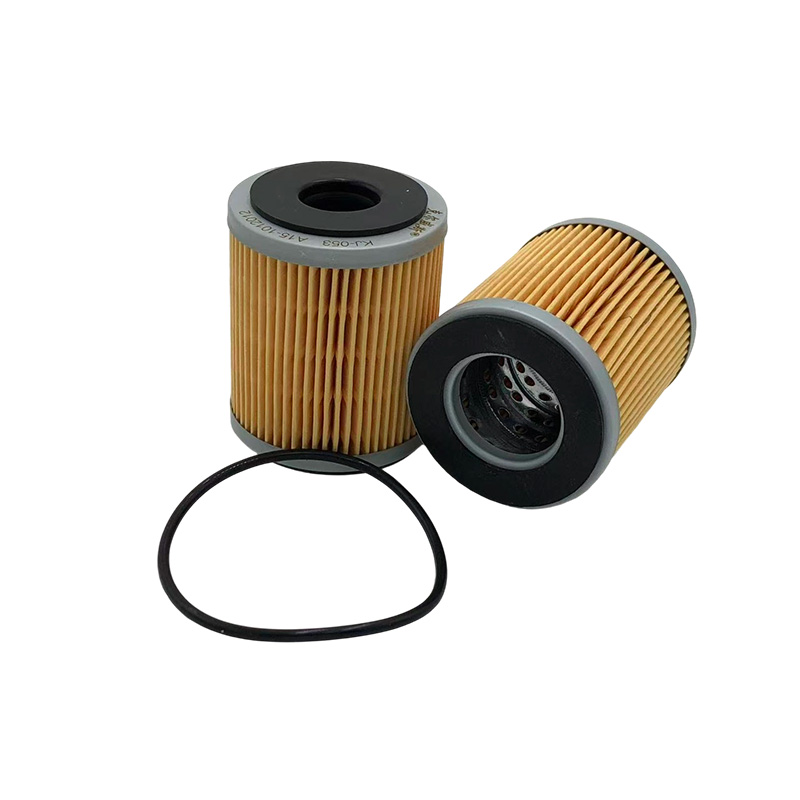
Spin-on versus cartridge is the next fork. Spin-on is a complete replaceable canister; cartridge elements (common on EU and Japanese vehicles) replace only the media inside a reusable housing. Match the OE design — the two are not interchangeable.
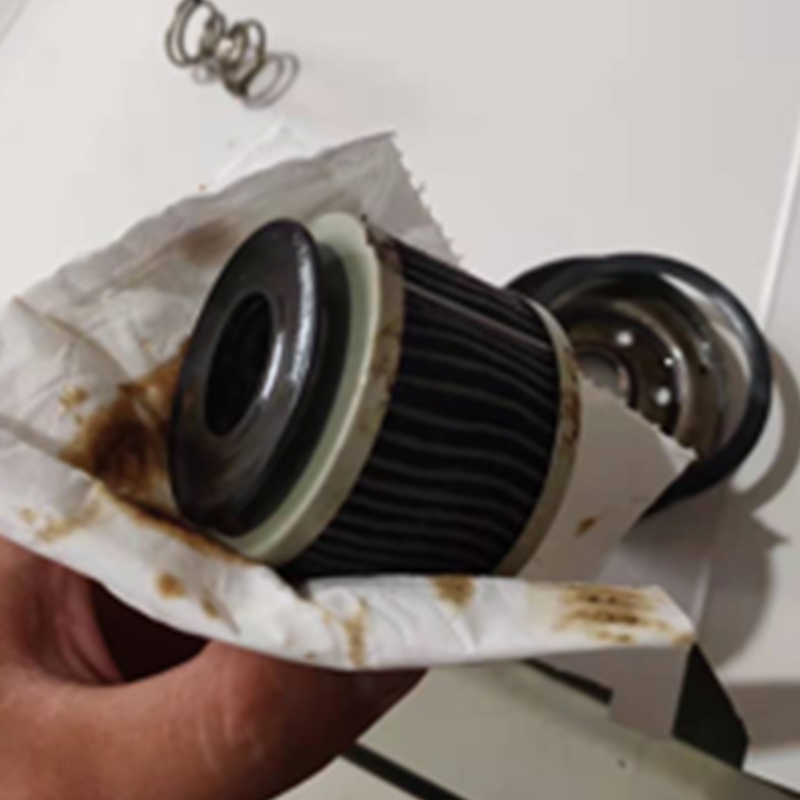
Match media to the drain interval
Standard cellulose serves normal drain intervals. Composite and nano-fiber media hold more contaminant and support extended oil-drain intervals, which is increasingly the direction of modern engines and long-haul fleets. Glass-enhanced media is the heavy-duty choice for high-load commercial applications.
The media choice should follow the customer’s oil-change schedule, not the lowest quote. A filter that collapses or clogs before the drain interval is a false economy.
Cold-climate is a different product
For Russia, Central Asia, northern Europe and other cold-start markets, the anti-drainback valve and seal rebound are the product. Cold oil is thick; a filter that lets oil drain back leaves the engine dry on the next start, and a seal that hardens at -40°C leaks. A high-rebound NBR seal and a robust anti-drainback valve are not optional extras in these markets.
Positioning a "cold-climate" oil filter is a sharper, more defensible offer than competing on price — and it is exactly the kind of market-specific line that wins repeat orders.
A working checklist
Confirm the thread and gasket; confirm spin-on versus cartridge; confirm the bypass opening pressure; choose media by drain interval; add the anti-drainback and cold-seal requirements for cold markets; and request the ISO 4548 report and 100% airtightness evidence. That checklist turns a generic oil-filter order into a properly matched one — and protects both the importer and the end user.