Blog › Wiper Selection
Wiper Selection
How to Choose Wiper Blades: Beam, Hybrid, Length and Rubber Compound
Wipers are a volume category where the rubber compound and blade length decide the repeat order. Here is how to stock and match them for an export market.
October 19, 2026 · 6 min read
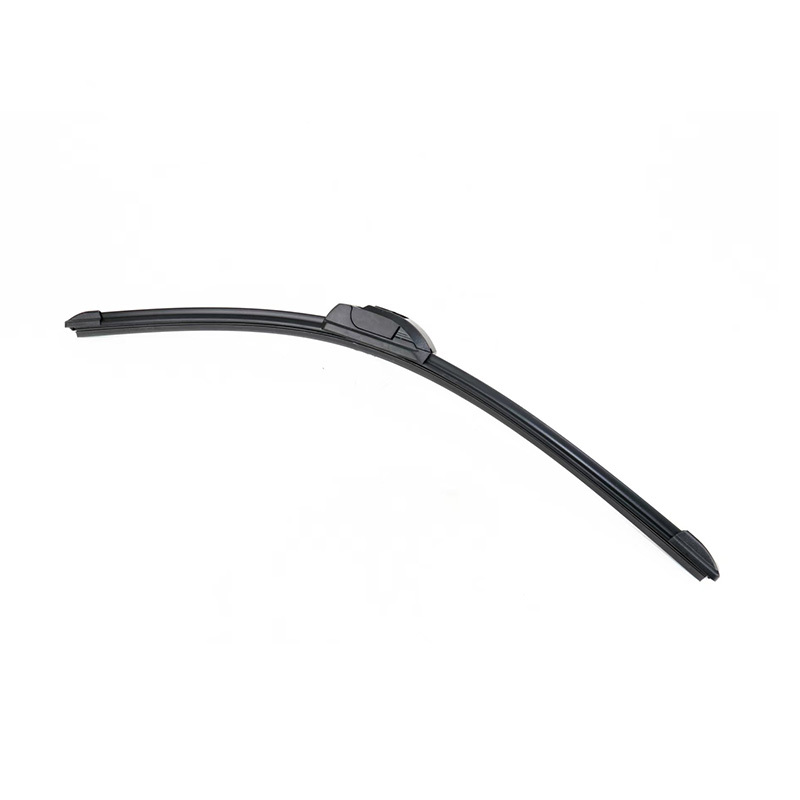
Beam, hybrid and conventional
Wiper blades come in three main constructions. A beam (frameless) blade uses a curved steel spring to press the rubber evenly against the glass, hugging modern curved windshields and resisting snow and ice buildup. A hybrid blade adds a rigid spoiler over the beam for highway downforce and a premium look. The conventional blade, with its metal frame and pivot points, remains the low-cost classic.
The construction choice is about performance and price point, not just looks. Beam blades are the modern default for passenger cars; hybrids split the difference between the two; conventional blades still sell on price in cost-driven markets. A full line carries all three tiers.
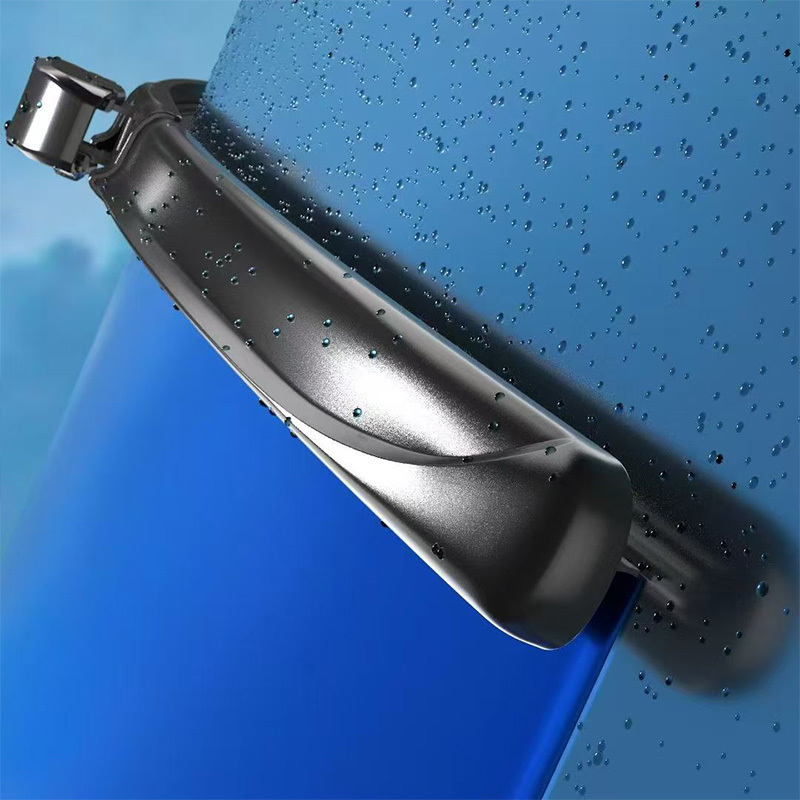
Length and adapter fitment
Wipers are sold by length, from roughly 14 to 26 inches, and fitment is about both length and the arm adapter. The adapter — hook, pin, bayonet or side-lock — must match the vehicle’s wiper arm, and different vehicles use different connectors. A multi-adapter kit broadens fitment per SKU and cuts returns.
For an exporter, the practical move is to carry the common lengths for the target parc (22″, 24″ and 26″ cover most passenger fleets, with 14–18″ for rear blades) and confirm the adapter set with each length. Fitment gaps are the fastest way to lose a wiper order.
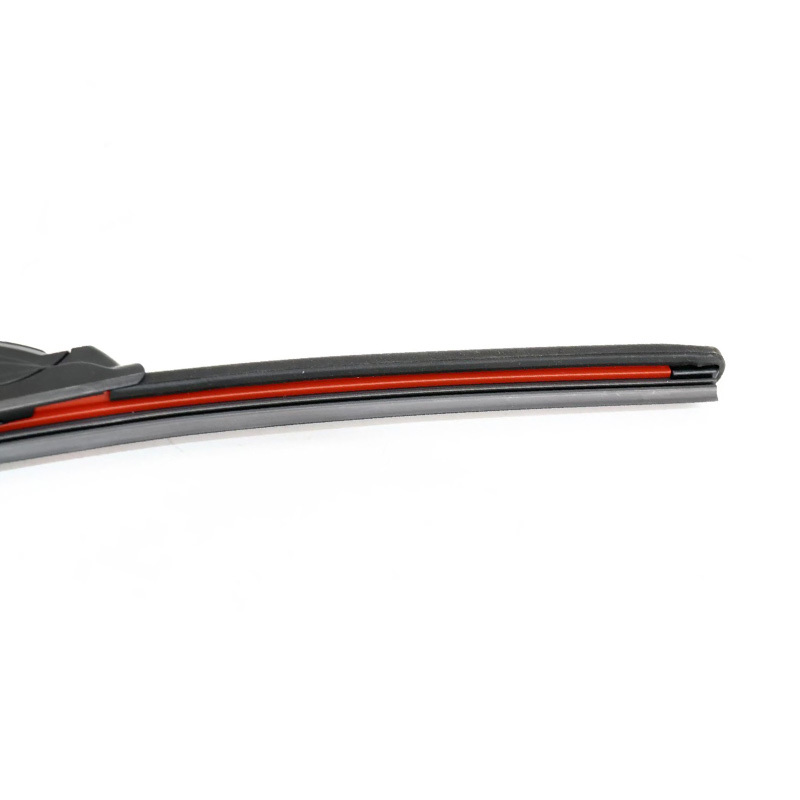
The rubber compound decides the review
Wipers have no filtration efficiency — the real spec is the rubber compound. Natural rubber with a graphite coating gives smooth, quiet wiping; cheap or unbaked synthetic rubber streaks and squeaks. UV-resistant compounds are non-negotiable in hot, sunny markets, where brittle rubber fails within months.
The wiper is the rare automotive part the end user touches and hears on every rainy drive. A noisy, streaking blade is an instant brand-damaging complaint, so the compound — not the sticker price — is what determines whether the buyer comes back.
A stocking framework
A sound wiper catalog has three axes: construction (beam/hybrid/conventional), length (the common market set), and compound (standard vs UV-resistant for hot climates). Map those three against the target market and you get a concise, sellable line instead of a sprawling part list.
The exporter who competes on the rubber compound, and who ships blades in rigid sleeves that protect the curve, earns the repeat order that makes wipers profitable. Cheap blades are a one-off; quiet, durable blades are a reorder.