Blog › LED Selection
LED Selection
LED Headlight Upgrades: Socket Fitment, Thermal Design and Compliance
LED headlights are a compliance-led, not price-led, category. Here is how to spec socket fitment, thermal design and certification for an export catalog.
October 24, 2026 · 6 min read
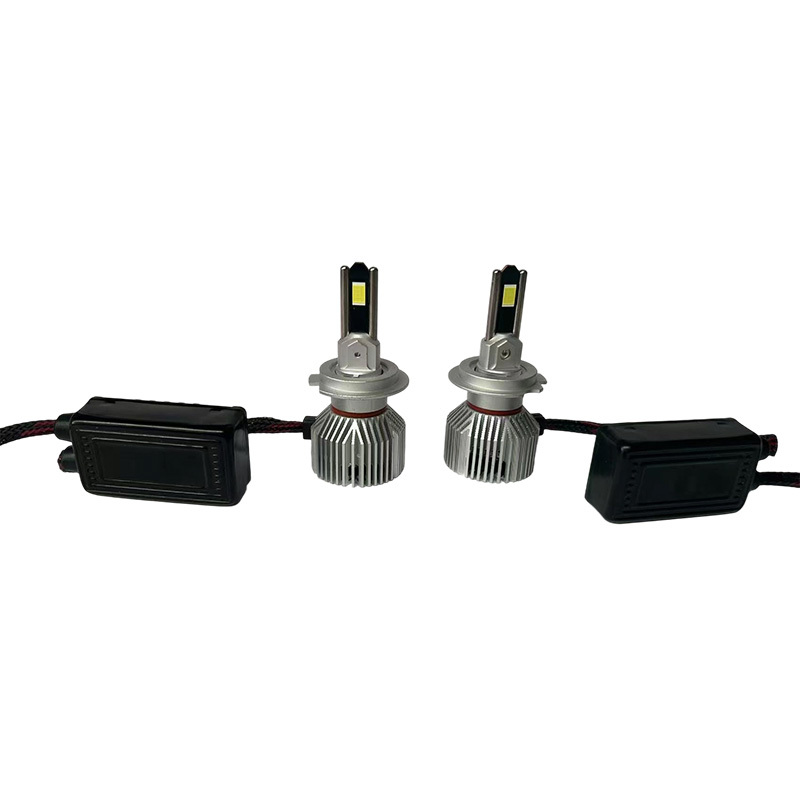
Socket fitment is the first filter
LED headlight bulbs are socket-specific: H4/9003, H7, H11 and others are not interchangeable, and a wrong socket is an immediate fitment return. Confirm the vehicle’s socket before quoting, and treat the socket as the primary key in the catalog, not the bulb’s marketing name.
Many modern vehicles also trigger a bulb-error warning without a CANbus decoder, causing flicker and a dashboard error even when the bulb physically fits. Confirm whether the target vehicle needs a decoder before the order, and document it on the spec sheet. This is the difference between a clean install and a return.
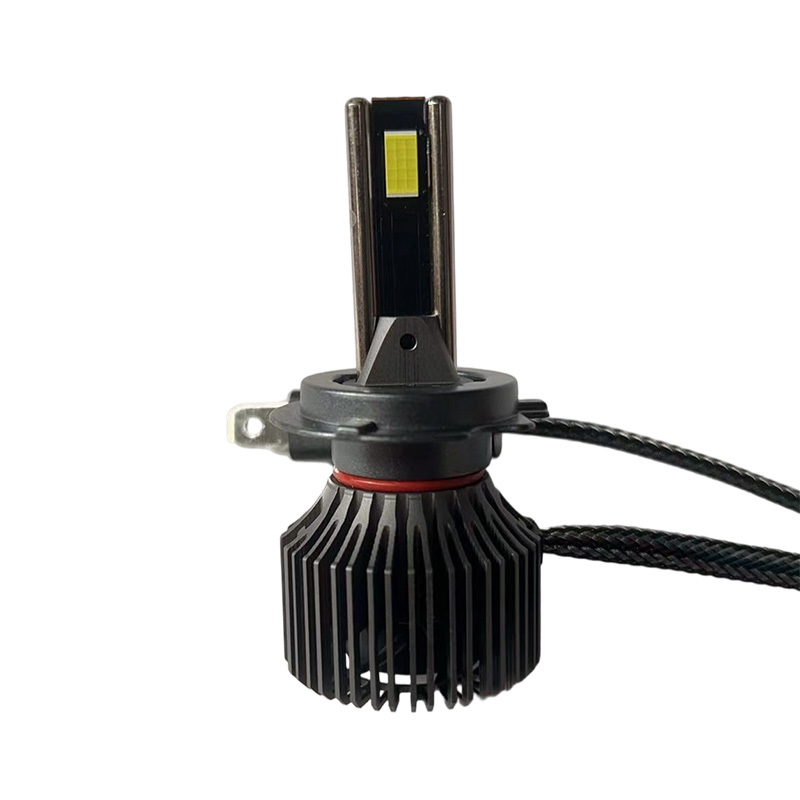
Thermal design decides lifespan
LEDs die from heat, not age. An effective thermal design — an aluminum body, a fan or passive cooling, and a quality driver — determines lifespan far more than the chip itself. A cheap unit that overheats fails fast and visibly, and a dead or flickering bulb is the most immediate, brand-damaging complaint in the catalog.
The honest spec is delivered lumens per watt and a stated CCT (color temperature), ideally backed by an integrating-sphere test report — not a “10,000 lumen” sticker. Lead with thermal design and sustained output, because buyers who have been burned once will pay for a product that lasts.
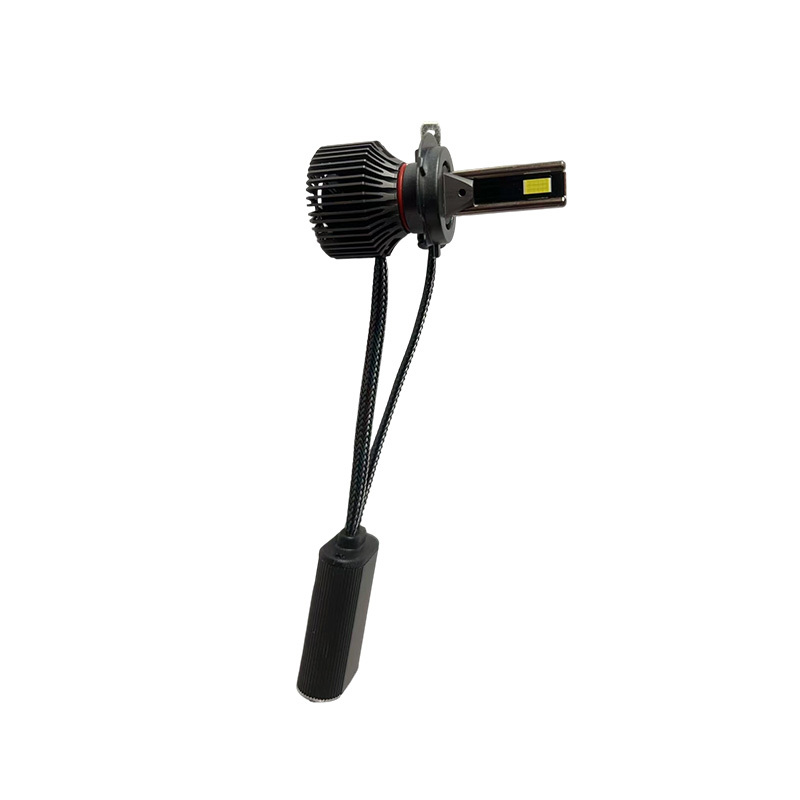
Compliance is the moat
LED retrofits are regulated differently by country: some markets restrict LED bulbs for road use, while others require specific approvals. CE and RoHS are the baseline for export, with EMC documentation and destination-market approvals confirmed before shipment where required. Missing certifications — not missing lumens — is what blocks an LED order at customs.
This is what makes LED a compliance-led category. The exporter who invests in certification before scaling volume builds a moat that a cheap, uncertified competitor cannot cross, and who can advise the buyer on road-legal versus off-road product earns trust that a lumen claim never will.
What to put in the catalog
A clean LED catalog leads with socket, thermal design and certification: the socket type, the cooling method, the delivered lumen and CCT, and the CE/RoHS/EMC documentation. That is the information a serious buyer actually needs to place a compliant order.
Store bulbs sealed and dry — drivers and solder joints are sensitive to moisture and ESD, and humidity-induced corrosion in the driver is a silent early-failure cause that looks like a bad batch. Individual boxes protect the assembly and the driver. Get the packaging and the paperwork right, and the compliance-led buyer comes back.